
Notice & Notes:
- This Safety Data Sheet (SDS) is compiled by AutoChemSDS in strict accordance with the United Nations Globally Harmonized System of Classification and Labelling of Chemicals (GHS Rev. 11, ST/SG/AC.10/30/Rev.11 Annex 4). Data is curated from open authoritative scientific sources (PubChem, HSDB, CAMEO, ECHA, NIOSH, WHO/ILO).
- AutoChemSDS is 100% free and open, providing direct REST API endpoints and compact Markdown access for AI agents, academic researchers, and chemical safety professionals without paywalls or login requirements.
- Disclaimer: This document is provided for advisory and research reference only. Employers and safety personnel must independently verify site-specific workplace exposure conditions. AutoChemSDS assumes no legal liability for any risks or damages arising from handling or use.
Acetone Safety Data Sheet
SECTION 1: Identification of the Substance/Mixture and of the Company
CAS Registry Number: 67-64-1
European Community (EC) Number: 200-662-2
Molecular Formula: C₃H₆O
Molecular Weight: 58.08 g/mol g/mol
Synonyms: 2-propanone, propanone, propan-2-one, Dimethyl ketone
Recommended Use: Industrial chemical manufacturing, laboratory reagent, solvent, and scientific research.
Restrictions on Use: Avoid unauthorized domestic consumer use or release into unventilated enclosed spaces.
SECTION 2: Hazard(s) Identification
Flammable liquids, Category 2
Serious eye damage/eye irritation, Category 2A
Specific target organ toxicity, single exposure; Narcotic effects, Category 3
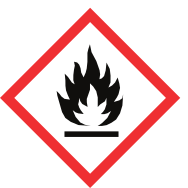
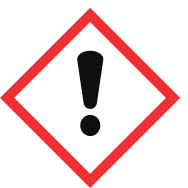
H319: Causes serious eye irritation
H336: May cause drowsiness or dizziness
P210: Keep away from heat, hot surfaces, sparks, open flames and other ignition sources. No smoking.
P233: Keep container tightly closed.
P240: Ground/bond container and receiving equipment.
P241: Use explosion-proof electrical, ventilating, and lighting equipment.
P242: Use only non-sparking tools.
P243: Take precautionary measures against static discharge.
P280: Wear protective gloves, protective clothing, eye protection, and face protection.
P264+P265: Wash hands and all exposed skin thoroughly after handling. Do not touch eyes.
P261: Avoid breathing dust/fume/gas/mist/vapors/spray.
P271: Use only outdoors or in a well-ventilated area.
Response:
P303+P361+P353: IF ON SKIN (or hair): Take off immediately all contaminated clothing. Rinse skin with water or shower.
P370+P378: In case of fire: Use water spray, dry chemical, carbon dioxide or alcohol-resistant foam to extinguish.
P305+P351+P338: IF IN EYES: Rinse cautiously with water for several minutes. Remove contact lenses if present and easy to do - continue rinsing.
P337+P317: If eye irritation persists: Get medical help.
P304+P340: IF INHALED: Remove person to fresh air and keep comfortable for breathing.
P319: Get medical help if you feel unwell.
Storage:
P403+P235: Store in a well-ventilated place. Keep cool.
P403+P233: Store in a well-ventilated place. Keep container tightly closed.
P405: Store locked up.
Disposal:
P501: Dispose of contents/container to an approved waste disposal plant in accordance with local, regional, national, and international regulations.
Vapors may form explosive mixtures with air and travel to distant ignition sources. Liquid flow or agitation may generate and accumulate static electricity charges.
SECTION 3: Composition / Information on Ingredients
3.1 Substances
| Component | Chemical Name | EC Number | Common / Synonyms | Concentration (%) | CAS Number | Formula | Molecular Weight |
|---|---|---|---|---|---|---|---|
| Main Substance | Acetone | 200-662-2 | 2-propanone, propanone, propan-2-one, Dimethyl ketone | ≥ 99.0 % | 67-64-1 | C₃H₆O | 58.08 g/mol |
3.2 Mixtures
SECTION 4: First-Aid Measures
4.1 Description of Necessary First-Aid Measures
Inhalation: Move victim to fresh air. If breathing is irregular or stopped, administer artificial respiration. Keep victim warm and at rest. If symptoms develop, seek medical advice.
Skin Contact: Immediately remove contaminated clothing. Rinse skin thoroughly with plenty of running water for at least 15 minutes. Consult a physician if irritation develops.
Eye Contact: Immediately flush eyes with plenty of water for at least 15 minutes, lifting upper and lower eyelids. Remove contact lenses if present and easy to do. Continue rinsing. Seek medical attention (consult an ophthalmologist).
Ingestion: Never give anything by mouth to an unconscious person. Rinse mouth thoroughly with water. Do NOT induce vomiting unless directed by medical personnel. If feeling unwell, seek medical advice.
Personal Protective Equipment for First-Aiders: Responders must wear appropriate personal protective equipment (PPE) suitable for the chemical hazard. Do not enter hazardous atmospheres without appropriate respiratory protection (e.g. positive-pressure SCBA).
4.2 Most Important Symptoms/Effects, Acute and Delayed
The most important known symptoms and effects include: Highly Flammable liquid and vapor; Causes serious eye irritation; May cause drowsiness or dizziness.
4.3 Indication of Immediate Medical Attention and Special Treatment Needed
Treat symptomatically and supportively. Monitor vital signs and respiratory functions. No specific antidote known.
SECTION 5: Fire-Fighting Measures
Suitable Extinguishing Media: Water spray, Dry chemical powder, Carbon dioxide (CO2), Alcohol-resistant foam, Dry sand.
Unsuitable Extinguishing Media: Do NOT use high-pressure solid water streams as this may scatter and spread burning liquid.
Flammable liquid and vapor. Vapors are heavier than air and may travel along ground to distant ignition sources and flash back. Closed containers may rupture violently when heated. Hazardous combustion products: Carbon oxides (CO, CO2).
Hazardous Combustion Products: Carbon oxides (CO, CO2).
Isolate fire area and deny unnecessary entry. Water spray may be used to keep fire-exposed containers cool until well after fire is extinguished. Firefighters must wear self-contained breathing apparatus (SCBA) in positive pressure mode and full protective turnout gear (EN 469 / NFPA 1971).
SECTION 6: Accidental Release Measures
6.1 Personal Precautions, Protective Equipment and Emergency Procedures
For Non-Emergency Personnel: Evacuate personnel to safe areas upwind. Eliminate all ignition sources (no smoking, flares, sparks, or flames). Ensure adequate ventilation. Do not breathe vapors, mist, or dust. Avoid contact with skin, eyes, and clothing. Wear appropriate personal protective equipment (see Section 8).
For Emergency Responders: Wear positive-pressure self-contained breathing apparatus (SCBA) and chemical-resistant, antistatic protective clothing. Use clean, non-sparking, explosion-proof tools. Ground and bond all handling equipment.
6.2 Environmental Precautions
Prevent further leakage or spillage if safe to do so. Prevent spilled material from entering drains, sewers, waterways, and soil. Inform environmental authorities if spillage causes environmental contamination.
6.3 Methods and Materials for Containment and Cleaning Up
Small Spill Clean-up: Absorb spillage with sand or other non-combustible material. Use clean, non-sparking tools to collect absorbed material into compatible containers. Seal containers and move out of spill area. Ensure static grounding and bonding during transfer, with nitrogen blanketing if required.
Large Spill Clean-up: Construct dikes or dig trenches for containment. Seal drainage pipelines. Cover with alcohol-resistant foam (for water-immiscible flammable liquids) / sand / non-combustible material to suppress vapor evaporation. Transfer using explosion-proof pump (or corrosion-resistant pump if corrosive) to tank truck or designated collector. Ensure static grounding and bonding during transfer, with nitrogen blanketing if required.
Prevention of Secondary Hazards: Prevent aerosol formation in air;
SECTION 7: Handling and Storage
7.1 Precautions for Safe Handling
Use only in well-ventilated areas. Keep away from heat, hot surfaces, sparks, open flames, and other ignition sources. No smoking. Use explosion-proof ventilation system and equipment. Use non-sparking tools. Take precautionary measures against static discharge. Ground/bond container and receiving equipment. Avoid contact with skin, eyes, and clothing. Avoid breathing vapors, mist, or dust.
Hygiene Measures: Prohibit eating, drinking, and smoking in work and storage areas. Wash hands thoroughly with soap and water after handling and before breaks. Remove contaminated clothing and protective equipment before entering eating areas.
7.2 Conditions for Safe Storage, including Any Incompatibilities
Store in original tightly closed container in a cool, dry, and well-ventilated area away from direct sunlight, heat, sparks, open flames, and incompatible materials. Storage facilities must be equipped with explosion-proof electrical systems, static grounding, and lightning protection. Use explosion-proof lighting, ventilation systems, and electrical equipment.
Incompatible Materials: Strong oxidizing agents.
Packaging Recommendations: Keep only in original manufacturer-approved container. Ensure container material is compatible with the substance and certified for dangerous goods transport (UN-approved packaging). Keep container tightly closed.
SECTION 8: Exposure Controls / Personal Protection
8.1 Control Parameters (Occupational Exposure Limit Values)
| Standard / Agency | Limit Type | Value | Remarks / Notation |
|---|---|---|---|
| US ACGIH | TLV-TWA | 250ppm | A4; BEI |
| US ACGIH | TLV-STEL | 500ppm | A4; BEI |
| US ACGIH | TLV-C | Not established | A4; BEI |
Biological Limit Values: ACGIH Biological Exposure Indices (BEIs):
• Acetone in urine: 25 mg/L (Sampling Time: End of shift, Notation: Ns)
8.2 Appropriate Engineering Controls
Provide adequate explosion-proof local exhaust ventilation and general ventilation to maintain airborne concentrations below occupational exposure limits. Ventilation systems must be grounded and bonded against static electricity. Emergency eyewash fountains and safety showers must be readily accessible in the immediate work area.
8.3 Individual Protection Measures (Personal Protective Equipment - PPE)
Eye/Face Protection: Wear tightly fitting safety goggles and face shield conforming to EN 166 or ANSI Z87.1. Ensure emergency eyewash facilities and safety showers are available.
Hand Protection: Wear chemical-resistant, impermeable protective gloves conforming to EN 374 / ANSI/ISEA 105. Glove suitability and breakthrough time depend on workplace usage conditions; consult glove manufacturer for specific chemical resistance data. Inspect gloves prior to use.
Skin and Body Protection: Wear antistatic, flame-retardant chemical protective clothing and antistatic safety boots conforming to EN ISO 20345 / EN 1149.
Respiratory Protection: Where risk assessment shows air-purifying respirators are appropriate, use a respirator with approved filter cartridge (e.g. EN 14387 / NIOSH approved) suitable for the chemical hazard. If exposure limits are exceeded or in emergency/confined space scenarios, wear positive-pressure supplied-air respirator or SCBA.
Thermal Hazards: Wear appropriate thermal insulated protective clothing when handling refrigerated, cryogenic, or high-temperature materials.
SECTION 9: Physical and Chemical Properties
9.1 Basic Physical and Chemical Properties
| Property | Value / Observation |
|---|---|
| 1. Physical state | Liquid |
| 2. Colour | Colorless |
| 3. Odour | Sweetish odor |
| 4. Melting point / freezing point | -93.9 °C (NTP, 1992) |
| 5. Boiling point or initial boiling point and boiling range | 56.1 °C at 760 mmHg (NTP, 1992) |
| 6. Flammability | Highly flammable liquid and vapor (Category 2) |
| 7. Lower and upper explosion limit / flammability limit | Lower: 2.6 % (NTP, 1992), Upper: No data available |
| 8. Flash point | -17.8 °C (NTP, 1992) |
| 9. Auto-ignition temperature | 465.0 °C (USCG, 1999) |
| 10. Decomposition temperature | No data available |
| 11. pH | No data available |
| 12. Kinematic viscosity | 0.32 cP at 20 °C; 0.27 cP at 40 °C (dynamic viscosity; kinematic viscosity v = dynamic viscosity / density) |
| 13. Solubility | greater than or equal to 100 mg/mL at 22.2 °C (NTP, 1992) |
| 14. Partition coefficient: n-octanol/water (log value) | log Kow = -0.24 |
| 15. Vapour pressure | 180 mmHg at 20.0 °C ; 270 mmHg at 30.0 °C (NTP, 1992) |
| 16. Density and/or relative density | 0.791 at 20.0 °C (USCG, 1999) - Less dense than water; will float |
| 17. Relative vapour density | 2 (NTP, 1992) - Heavier than air; will sink (Relative to Air) |
| 18. Particle characteristics | Not applicable (liquid) |
9.2 Other Information
| Safety Characteristic | Value / Result |
|---|---|
| Evaporation rate | No data available |
| Heat of combustion | Liquid: -1789 kJ/mol |
| Critical temperature and pressure | Critical temperature: 508.1 deg K; critical pressure: 4.7 MPa |
| Acid dissociation constant (pKa) | pKa = 20 |
| Odour threshold | Odor Threshold Low: 3.6 [mmHg] |
SECTION 10: Stability and Reactivity
10.1 Reactivity: Vapors may form explosive mixtures with air. Reacts vigorously with strong oxidizing agents.
10.2 Chemical Stability: Stable under recommended storage and handling conditions.
10.3 Possibility of Hazardous Reactions: Hazardous polymerization will not occur. Exothermic or hazardous reactions possible with incompatible materials.
10.4 Conditions to Avoid: Heat, flames, sparks, hot surfaces, static discharge, direct sunlight, and incompatible materials.
10.5 Incompatible Materials: Strong oxidizing agents.
10.6 Hazardous Decomposition Products: Carbon oxides (CO, CO2).
SECTION 11: Toxicological Information
11.1 Information on Hazard Classes / Toxicological Effects
Acute Toxicity: Based on available data, the classification criteria are not met.
Skin Corrosion / Irritation: Based on available data, the classification criteria are not met.
Serious Eye Damage / Irritation: Causes serious eye irritation (Category 2 / 2A, H319).
Respiratory or Skin Sensitization: Based on available data, the classification criteria are not met.
Germ Cell Mutagenicity: Based on available data, the classification criteria are not met.
Carcinogenicity: Based on available data, the classification criteria are not met.
Reproductive Toxicity: Based on available data, the classification criteria are not met.
STOT - Single Exposure: May cause drowsiness or dizziness (Category 3, H336).
STOT - Repeated Exposure: Based on available data, the classification criteria are not met.
Aspiration Hazard: Based on available data, the classification criteria are not met.
11.2 Information on Other Hazards
Endocrine Disrupting Properties: No specific data available regarding endocrine disrupting properties for human health.
11.3 Symptoms Related to Characteristics
The most important known symptoms and effects include: Highly Flammable liquid and vapor; Causes serious eye irritation; May cause drowsiness or dizziness.
11.4 Delayed and Immediate Effects from Short and Long-Term Exposure
Immediate and delayed effects after short and long-term exposure are consistent with GHS hazard classifications (see Section 2).
11.5 Interactive Effects
No interactive effects data available.
SECTION 12: Ecological Information
12.1 Toxicity (Aquatic and Terrestrial): EC50; Species: Artemia salina (Brine shrimp) 2-3 instar nauplii; Conditions: saltwater, static, 25 °C; Concentration: 14852000 ug/L for 24 hr (95% confidence interval: 14141000-15563000 ug/L); Effect: intoxication, immobilization
12.2 Persistence and Degradability: AEROBIC: The percent theoretical BOD of acetone in water seeded with settled domestic sewage was 56%, 76%, 83% and 84%, over 5, 10, 15 and 20 day incubation periods(1). Percent theoretical BOD's of acetone in a raw sewage inocula were reported as 37% and 81% over 5 and 20 day incubation periods, respectively(2), 54% over a 5 day incubation period(3), 71% over a 7 day incubation period(4), 55% and 72% over 5 day and 10 day incubation periods respectively(5) and 38% over a 5 day incubation period(6). The percent theoretical BOD of acetone in freshwater was reported as 56%, 76%, 83% and 84% over 5, 10, 15 and 20 day incubation periods, respectively(7). The percent theoretical BOD of acetone in seawater was reported as 38%, 67%, 69% and 76% over 5, 10, 15 and 20 day incubation periods, respectively(7). Acetone, present at 100 mg/L, reached 96% of its theoretical BOD in 4 weeks using an activated sludge inoculum at 30 mg/L in the Japanese MITI test which classified the compound as readily biodegradable(8). Using OECD Guideline 301B (Ready Biodegradability: CO2 Evolution Test), acetone was found to be readily biodegradable with 60% degradation after 5 days and 90.9% CO2 evolution after 28 days(9).
12.3 Bioaccumulative Potential: An estimated BCF of 3 was calculated in fish for acetone(SRC), using a log Kow of -0.24(1) and a regression-derived equation(2). According to a classification scheme(3), this BCF value suggests that the potential for bioconcentration in aquatic organisms is low(SRC). In a 1931 test report, a BCF value of 0.69 was determined for adult haddock fish over an 11 hour exposure period(4); however, the test protocol does not meet important criteria of current standard BCF methods(4).
12.4 Mobility in Soil: Using a structure estimation method based on molecular connectivity indices(1), the Koc of acetone can be estimated to be 2.4(SRC). According to a classification scheme(2), this estimated Koc value suggests that acetone is expected to have very high mobility in soil. In sorption studies, acetone showed no adsorption to montorillonite, kaolinite clay, or stream sediment(3,4).
12.5 Results of PBT and vPvB Assessment: No specific PBT or vPvB assessment data available.
12.6 Endocrine Disrupting Properties: No specific data available regarding endocrine disrupting properties in the environment.
12.7 Other Adverse Effects: No other adverse environmental effects (such as ozone depletion potential or global warming potential) are known from available data.
SECTION 13: Disposal Considerations
13.1 Disposal Methods
Waste Treatment and Residues: Avoid or minimize waste generation. Incinerate in an approved, licensed chemical incinerator equipped with an afterburner and scrubber. Dispose of surplus and non-recyclable solutions via a licensed waste disposal contractor in compliance with national and regional environmental laws. Do NOT dispose of waste into sewers or waterways.
Contaminated Packaging: Empty containers retain product residue. Do NOT cut, puncture, or weld empty containers. Dispose of as hazardous waste or return to supplier in accordance with environmental regulations.
Disposal Precautions: Wear appropriate PPE (see Section 8). Controlled high-temperature incineration is recommended.
SECTION 14: Transport Information

Transport in closed, upright, secured containers. Ensure vehicle/cargo hold is well-ventilated. Observe applicable dangerous goods transport regulations (ADR, RID, ADN, IMDG, ICAO/IATA).
Not applicable. Transported in packaged form; not intended for bulk maritime transport under IMO instruments (MARPOL Annex II / IBC Code).
SECTION 15: Regulatory Information
15.1 Safety, Health and Environmental Regulations Specific for the Product in Question
| Chemical name | Common names and synonyms | CAS number | EC number |
|---|---|---|---|
| Acetone | 2-propanone, propanone, propan-2-one, Dimethyl ketone | 67-64-1 | 200-662-2 |
| European Inventory of Existing Commercial Chemical Substances (EINECS) | Listed | ||
| EC Inventory | Listed (EC No. 200-662-2) | ||
| United States Toxic Substances Control Act (TSCA) Inventory | Listed (Active) | ||
| China Catalog of Hazardous chemicals 2015 | Listed | ||
| New Zealand Inventory of Chemicals (NZIoC) | Listed | ||
| Chinese Chemical Inventory of Existing Chemical Substances (China IECSC) | Listed | ||
| Australian Inventory of Industrial Chemicals (AIIC) | Listed | ||
International Environmental Conventions:
• Montreal Protocol (Ozone Depleting Substances): Not listed
• Stockholm Convention (Persistent Organic Pollutants - POPs): Not listed
• Rotterdam Convention (Prior Informed Consent - PIC): Not listed
• Minamata Convention on Mercury: Not listed
15.2 Chemical Safety Assessment
No site-specific or registration-dossier Chemical Safety Assessment (CSA) / Chemical Safety Report (CSR) has been carried out for this substance by the SDS compiler. The hazard and safety classifications presented in this SDS are derived from publicly available regulatory assessment records (Authoritative Data Source(s): ILO-WHO International Chemical Safety Cards (ICSCs); EPA Chemical Data Reporting (CDR); European Chemicals Agency (ECHA); Hazardous Chemical Information System (HCIS), Safe Work Australia; NITE-CMC; Regulation (EC) No 1272/2008 of the European Parliament and of the Council). In accordance with UN GHS Rev. 11 (ST/SG/AC.10/30/Rev.11, Annex 4, Section A4.3.15), users should verify and comply with applicable national or regional chemical safety assessment obligations prior to use.
SECTION 16: Other Information
Version 2.0 (UN GHS Rev. 11 Annex 4 Compliant)
Revision Date: 2026-10-27
Indication of changes: Fully aligned with United Nations GHS Rev. 11 standard guidelines and sub-headings.
- PubChem [https://pubchem.ncbi.nlm.nih.gov]
- CAMEO Chemicals [https://cameochemicals.noaa.gov/chemical/8]
- European Chemicals Agency (ECHA) [https://echa.europa.eu/information-on-chemicals/cl-inventory-database/-/discli/details/22981]
- Hazardous Substances Data Bank (HSDB) [https://pubchem.ncbi.nlm.nih.gov/source/hsdb/41]
- Haz-Map, Information on Hazardous Chemicals and Occupational Diseases [https://haz-map.com/Agents/138]
- IARC Monographs on the Identification of Carcinogenic Hazards to Humans
- Emergency Response Guidebook (ERG) [https://pubchem.ncbi.nlm.nih.gov/erg/]
- ILO-WHO International Chemical Safety Cards (ICSCs) [https://www.ilo.org/dyn/icsc/showcard.display?p_version=2&p_card_id=0087]
- The National Institute for Occupational Safety and Health (NIOSH) [https://www.cdc.gov/niosh/npg/npgd0004.html]
- United Nations: Globally Harmonized System of Classification and Labelling of Chemicals (GHS), 11th revised edition (ST/SG/AC.10/30/Rev.11)
- National Center for Biotechnology Information (NCBI): PubChem Compound Database
- Hazardous Substances Data Bank (HSDB), National Library of Medicine
- CAMEO Chemicals Database, NOAA
- European Chemicals Agency (ECHA) Registered Substances Information
- World Health Organization (WHO) / International Labour Organization (ILO): International Chemical Safety Cards (ICSCs)
- National Institute for Occupational Safety and Health (NIOSH): Pocket Guide to Chemical Hazards
ACGIH: American Conference of Governmental Industrial Hygienists
ADN: European Agreement concerning the International Carriage of Dangerous Goods by Inland Waterways
ADR: Agreement concerning the International Carriage of Dangerous Goods by Road
AIIC: Australian Inventory of Industrial Chemicals
CAS: Chemical Abstracts Service
EC50: Half maximal effective concentration
EINECS: European Inventory of Existing Commercial Chemical Substances
GHS: Globally Harmonized System of Classification and Labelling of Chemicals (Eleventh revised edition)
IARC: International Agency for Research on Cancer
IATA: International Air Transport Association
IBC Code: International Code for the Construction and Equipment of Ships carrying Dangerous Chemicals in Bulk
ICAO: International Civil Aviation Organization
IECSC: Inventory of Existing Chemical Substances in China
IMDG: International Maritime Dangerous Goods Code
LC50: Lethal concentration, 50 percent
LD50: Lethal dose, 50 percent
LEL / UEL: Lower Explosive Limit / Upper Explosive Limit
MARPOL: International Convention for the Prevention of Pollution from Ships
NIOSH: National Institute for Occupational Safety and Health
NZIoC: New Zealand Inventory of Chemicals
OSHA: Occupational Safety and Health Administration
PBT: Persistent, Bioaccumulative and Toxic
PEL: Permissible Exposure Limit
REL: Recommended Exposure Limit
RID: Regulations concerning the International Carriage of Dangerous Goods by Rail
SCBA: Self-Contained Breathing Apparatus
STEL: Short Term Exposure Limit
STOT: Specific Target Organ Toxicity
TLV: Threshold Limit Value
TSCA: Toxic Substances Control Act
TWA: Time Weighted Average
UN: United Nations Recommendations on the Transport of Dangerous Goods
vPvB: Very Persistent and Very Bioaccumulative
Workers must receive documented training on chemical handling hazards, proper PPE usage, emergency response, and firefighting prior to handling this chemical.
The information provided in this Safety Data Sheet is correct to the best of our knowledge, information, and belief at the date of its publication. The information given is designed only as guidance for safe handling, use, processing, storage, transportation, disposal, and release and is not to be considered a warranty or quality specification. AutoChemSDS assumes no legal liability for any damages resulting from the handling or use of the designated product.